After 60, protecting your health is about more than following a list of good habits across the board. Your needs depend on any existing health conditions, current treatments, physical balance and level of independence. A personalised preventive health assessment with a healthcare professional can help you prioritise what matters instead of trying to do everything at once.
Fall prevention after 60: much more than physical exercise
Most articles on healthy ageing recommend being more active. It’s good advice, but it overlooks a more complex issue: fall prevention requires a combined approach.
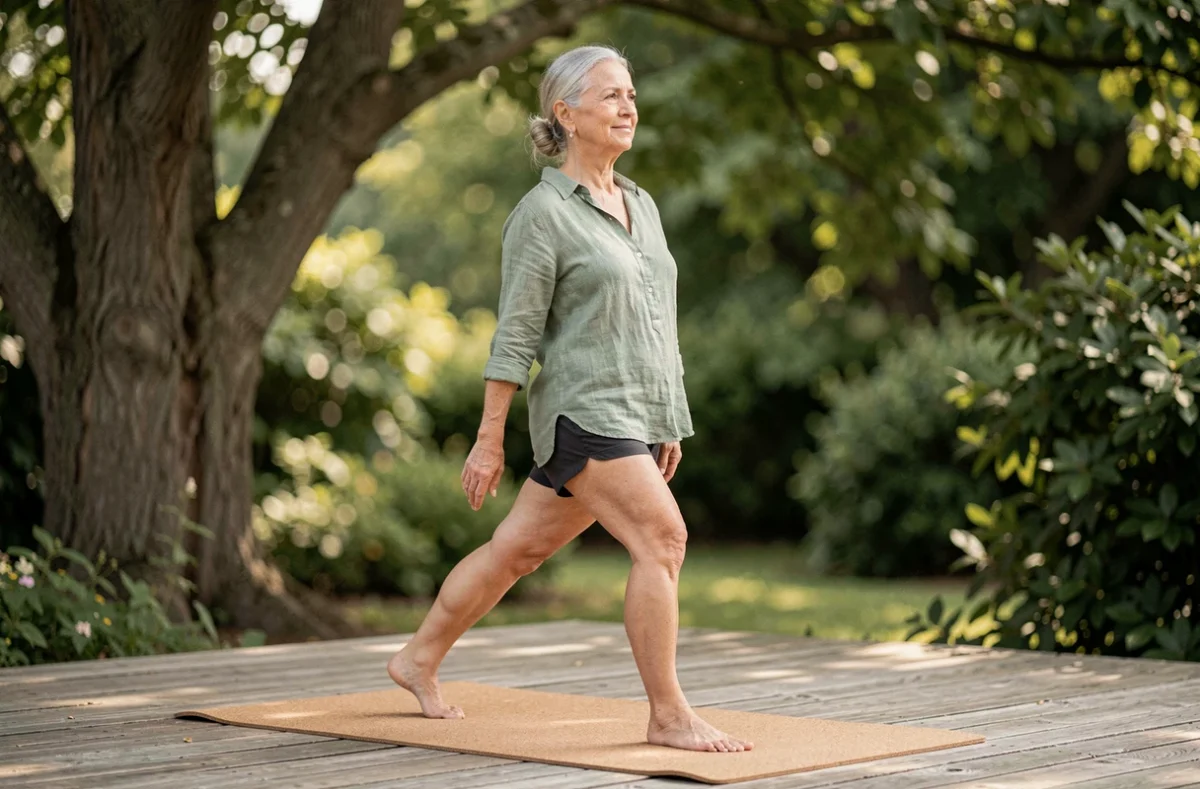
Physical activity strengthens your muscles and improves balance. Walking, doing tai chi or climbing stairs at your own pace can reduce the risk of falling. A few dozen minutes a day is enough, as long as you do it regularly.
Medication is often overlooked. Some treatments can cause dizziness, drowsiness or a drop in blood pressure when standing up. If you take several medications every day, ask your doctor or pharmacist to review your prescription and check for interactions or doses that may need adjusting.
Two other factors should be checked regularly: your eyesight and your home environment. Ill-fitting glasses or a loose rug in a hallway can turn an everyday movement into a hip fracture. The Portail Santé website for seniors offers additional resources on preventive measures tailored to different situations.
After a first fall, the risk of falling again increases significantly. Tell your doctor about it, even if you have no visible injury, so they can arrange an appropriate assessment.
A realistic prevention plan when you have chronic conditions and feel isolated
General advice on healthy ageing often assumes that older adults are mobile, have people around them and are in relatively good health. The reality is very different for someone who lives alone, manages diabetes, high blood pressure and osteoarthritis, and takes five or six pills a day.
Prioritise instead of trying to do everything
A realistic prevention plan starts by identifying the two or three main risks, not by piling on recommendations. For someone taking multiple medications, the first priority is often making sure their treatment is well managed: using a pill organiser, having regular check-ups and reporting any side effects.
The second priority is nutrition. Malnutrition can quietly affect older adults who live alone. When preparing a meal becomes difficult, protein and calcium intake can fall. There are ways to help: meal delivery, home help with shopping, or simply having four small meals instead of two large ones.
Address isolation without pressuring people to socialise
Telling someone who lives alone to “stay socially connected” without offering practical ways to do so is no help at all. Health prevention workshops organised by pension funds, visits from volunteers or simply a regular phone call can provide realistic opportunities for contact.
Isolation can worsen depression, which in turn can lead to a loss of independence. Looking out for signs such as withdrawing from others, loss of appetite or giving up everyday activities is also a form of prevention.
Oral health and hearing: two blind spots in preventive care for older adults
Guides to healthy ageing routinely cover sleep, nutrition and physical activity. Two important factors affecting health are often overlooked.
Oral health directly affects your ability to eat. Toothache or poorly fitting dentures can lead people to avoid hard foods such as meat, fresh fruit and raw vegetables, reducing their nutritional intake. An annual dental check-up is an important preventive measure in its own right.
Untreated hearing loss can have a knock-on effect. It makes conversations harder, encourages social withdrawal and can accelerate cognitive decline. Getting your hearing tested after 60, and using hearing aids if needed, can improve communication and participation in everyday life.
- Have a dental check-up at least once a year, including a check that dentures fit properly if needed
- Get your hearing tested every two to three years from age 60, or sooner if you notice any difficulties
- Have regular eye examinations, as declining eyesight can also affect balance and make prescriptions harder to read

Vaccination and medical check-ups: tailor prevention to the season
Vaccination recommendations change every year depending on age, risk factors and the current epidemic situation. Rather than listing vaccines whose recommendations may change, the most reliable approach is to review the current vaccination schedule with your GP every autumn.
Alongside vaccination, a structured approach to medical care makes a difference. Here are the appointments not to miss:
- A preventive health assessment with your GP, including a medication review and an assessment of your independence
- Recommended screening tests based on your age (colorectal and breast cancer) for as long as they are appropriate
- A consultation with your pharmacist to check for medication interactions, especially if you take several medications
- A nutritional assessment if you notice unintentional weight loss
For older adults, the pharmacist is often the healthcare professional they see most frequently. Their role in spotting everyday difficulties—unusual fatigue, confusion or trouble managing medications—deserves greater attention.
Family caregivers: an often-overlooked part of healthy ageing
When an older adult can continue living at home thanks to support from a family member or friend, the caregiver’s health is an essential part of prevention. Caregiver burnout is one of the leading causes of unplanned admission to residential care.
Recognising warning signs—sleep problems, increasing irritability or neglecting their own healthcare—makes it possible to act before the caregiver reaches breaking point. Respite care options vary by area: day care, temporary residential care and support services. Contacting the local information and coordination centre (CLIC) or the departmental council is the most direct way to find out what is available.
Healthy ageing after 60 depends less on accumulating advice than on making a clear-eyed assessment of what really matters for your own situation and what can wait. Often, the most useful first step is also the simplest: book a preventive health assessment and ask all your questions, with your prescription in hand.