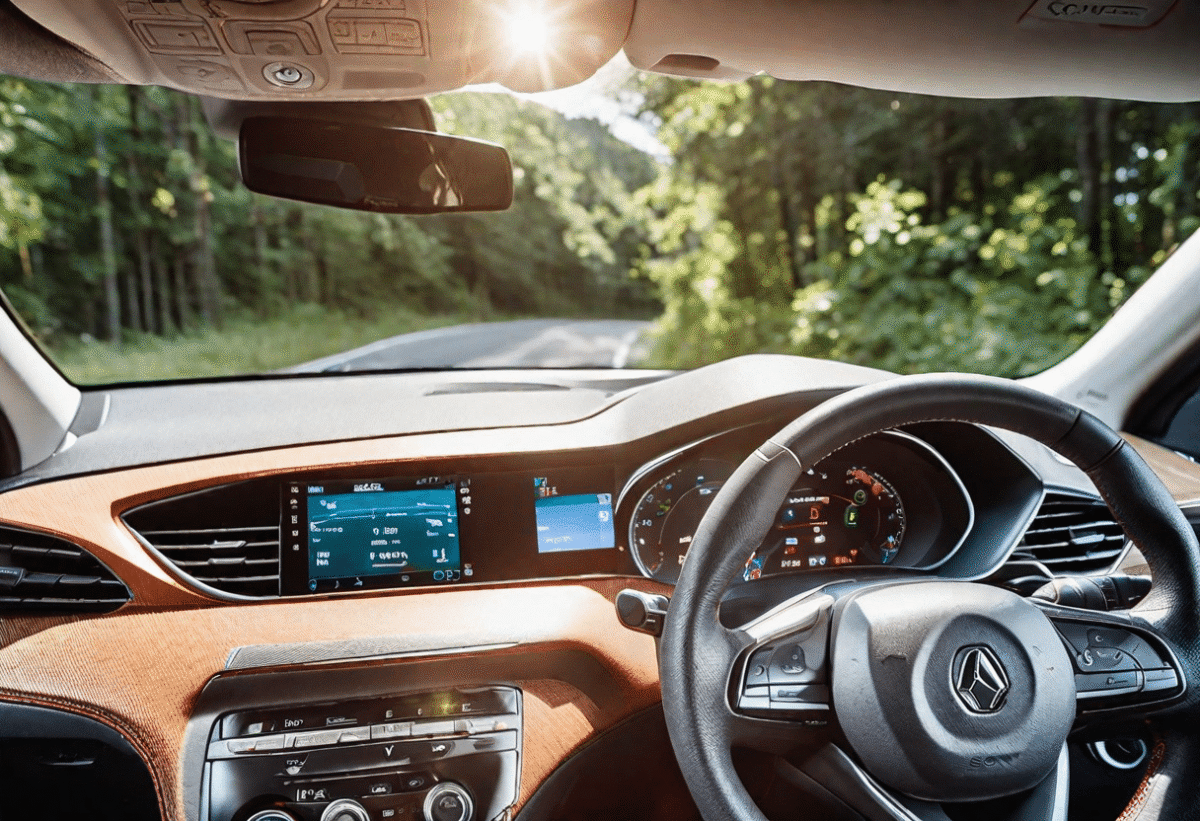
Technological evolution has equipped contemporary vehicles with increasingly sophisticated alert systems, essential for ensuring safety and informing the driver about the state of their vehicle. At the heart of this issue, the Renault Clio 4, popular in the European market, offers a dashboard rich in warning lights. These indicators are silent messengers, ensuring that any anomalies or maintenance needs are communicated. A thorough understanding of these signals can significantly influence the driving experience and prevent breakdowns or accidents. This is why decoding these warning icons is essential.
Analysis of Alert Systems and Their Importance for Safety on the Road
The dashboard of a car is a command center where information must flow clearly and accurately. On the Renault Clio 4, the lights on Clio 4 play this role of transmitting vital information. These lights, through their color and symbol, inform the driver about the vehicle’s health. The warning lights, by simply illuminating, can signal an emergency or a simple notification for a check-up.
Red lights, in particular, are synonymous with danger or the need for immediate intervention. They often indicate a mechanical problem or an urgent maintenance alert. They require prompt action to avoid more serious damage to the vehicle or even accidents. In contrast, orange or yellow lights indicate less critical issues, but still warrant attention and quick action to ensure road safety.
In France, the technology embedded in vehicles has significantly advanced, allowing for increasingly precise auto diagnostics. This integrated diagnostic system, which feeds the dashboard lights, is an effective preventive tool. Knowing the meaning of green or blue lights is also essential, as they indicate a normal operation of certain safety features or the vehicle’s overall system.
Mastering these indicators is fundamental. The warning lights are silent guardians that alert the driver in case of malfunctions or maintenance needs for appropriate action. In response to these indicators, the reflex should be clear: consult the owner’s manual or visit a professional. These preventive actions undeniably contribute to the preservation of human life on our roads.

Decoding the Warning Lights of the Clio 4: Meaning and Recommended Actions
The dashboard of the Renault Clio 4 resembles a nerve center where each warning light has its purpose. Understanding this visual language is imperative to keep the machine in optimal working condition. A lit tire pressure light, for example, invites checking the pressure and adjusting accordingly, while a light indicating low oil level requires topping up to prevent premature engine wear.
When more critical lights illuminate, such as those indicating a problem with the engine management system or the emission control system, the recommended action should not be delayed. The owner’s manual provides initial diagnostic elements, but consulting a mechanic is necessary to avoid major damage. A battery light that persists after starting the vehicle, or the catalyst light, indicates malfunctions that require technical intervention.
The warning lights of the Clio 4 are thus precise indicators of automotive well-being. Regular maintenance at an auto service prevents the untimely illumination of these lights, while careful reading of the manual can resolve the most common questions. For more complex cases, a diagnostic tool at a professional allows for decoding error codes and making necessary corrections before a technical inspection reveals potentially costly problems.