
Bacterial proliferation on a plastic cutting board does not solely depend on how often it is used, but especially on the appearance of micro-cracks that are invisible to the naked eye. A simple run through the dishwasher is not always enough to eliminate the risks.
In France, the sorting guidelines for this type of object remain ambiguous, creating a gray area between the yellow bin and the recycling center. However, ignoring these details exposes one to common mistakes, both for health and the environment.
Plastic Cutting Board: The Telltale Signs
The plastic cutting board is found everywhere, from restaurant kitchens to home counters. But behind its practical appearance, it quickly shows signs of wear that do not lie. Over time, the surface deteriorates, gets scratched, and becomes gouged from repeated knife strikes. These cuts and grooves, sometimes invisible, become real havens for microbes. Even intense washing does not eliminate them. When stains cling despite the dishwasher, it is a sign that the plastic is no longer serving its purpose.
A change in color, a board that loses its shine or becomes dull: these details reveal that the material is no longer suitable for food contact. If an unpleasant odor persists, especially after cutting fish or meat, it is time to be alarmed. It is not just a matter of appearance; food safety is at stake. The wear of a board depends on its use, the foods cut, and the cleaning method. But as soon as micro-cracks appear, it is no longer a question of delaying the inevitable: the question is how to dispose of it properly.
Faced with this dilemma, it is noted that local authorities do not always provide a clear answer regarding the fate of plastic cutting boards. To clarify, the guide where to throw away a plastic cutting board with Matin Gourmand offers precise advice, from spotting signs of wear to the right sorting reflex. Because it only takes one neglected board to turn a daily tool into a source of silent contamination.
Why a Worn Cutting Board Can Endanger Your Health
The surface of a plastic cutting board accumulates invisible traces every day. Knives create micro-cracks where bacteria quietly proliferate. With the handling of different foods, cross-contamination becomes a very real risk, especially when cutting raw meat and then vegetables without precautions. The board, seemingly clean, can then become a weak link in the food hygiene chain.
In the face of a worn board, disinfection is no longer effective. Even suitable products struggle to eliminate germs lodged in deep cuts. Hygiene recommendations are clear: at the first signs of advanced wear, it is necessary to consider replacing the board to avoid any food incidents. Moreover, heavily damaged boards, repeatedly washed in the dishwasher, can release microplastics, compromising food safety.
To enhance vigilance, here are some maintenance measures to remember:
- A thorough wash, a rinse with very hot water, and quick drying limit degradation, but are not enough to halt wear in the long term.
- The occasional use of baking soda improves cleaning, but does not restore the damaged surface of a plastic cutting board.
In the kitchen, caution is never superfluous. The slightest negligence can turn this simple accessory into a source of health danger. As soon as signs of fatigue become visible, it is better not to wait and prioritize replacement to ensure hygienic and safe use.
What to Do with Your Old Board: Recycling, Tips, and Responsible Actions
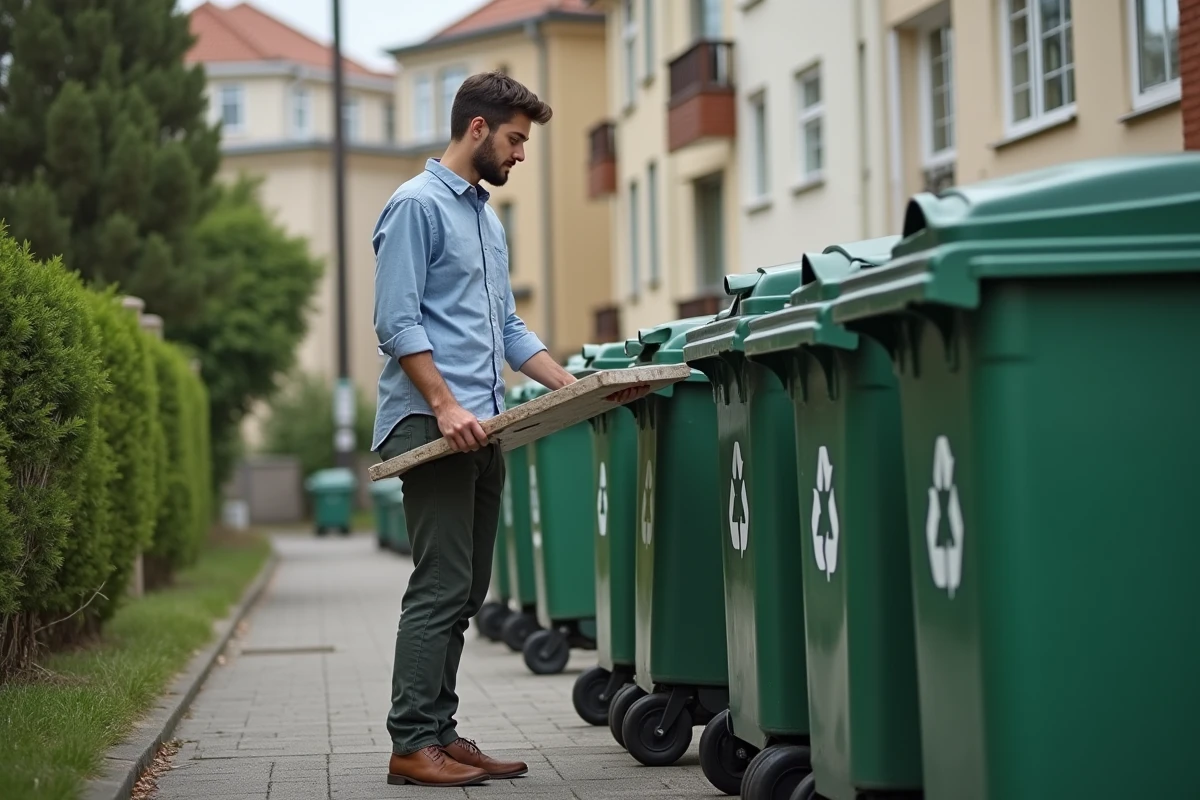
The time comes when you need to part with it: throwing away your plastic cutting board is not a trivial matter. The reflex to put it in the yellow bin is not straightforward, as this type of plastic is only accepted in certain recycling streams. Guidelines vary by municipality and sorting centers. To avoid mistakes, it is better to head to the municipal recycling center, which sometimes offers a specific bin dedicated to hard plastics. This action limits sorting errors and promotes better waste management.
Before throwing it away, there is nothing to stop you from giving it a second life. Here are some concrete examples:
- Use the damaged board as a pot holder or support for craft activities.
- Transform it into a paint palette or a DIY board.
- This reuse avoids the purchase of new items and extends the life cycle of the plastic a bit.
For the next board, the choice of material changes the game. Wood, bamboo, or stainless steel offer better longevity and are easier to recycle. These robust and durable alternatives align with a waste reduction approach. Other options exist, such as ceramic or marble, but should be reserved for specific uses.
The cutting board, a mundane tool but revealing of our consumption choices, always eventually leaves the scene. The way we dispose of it illustrates our ability to act for health and the environment. The question remains: which everyday object will challenge our habits tomorrow?