
An everyday object can hide more secrets than a crime novel: the plastic cutting board, with its harmless appearance, accumulates invisible scars and becomes the favorite playground for bacteria. It’s not a matter of looks or even frequency of use: it’s these hidden flaws, these micro-cracks, that dictate the moment for replacement and raise the question of food hygiene at home.
The invisible risks: why a plastic cutting board can become a breeding ground for bacteria
The plastic cutting board is a staple in every kitchen, a faithful ally for impromptu recipes or meticulous chopping. However, after countless knife strikes, it insidiously transforms: its surface becomes covered with tiny grooves, impossible to detect with the naked eye. These cuts harbor food residues that resist even the most careful washing. The result: the board becomes a true breeding ground for bacterial proliferation.
Each use, especially after cutting raw meat, fish, or vegetables, increases the risk of cross-contamination. Bacteria like salmonella, listeria, or E. Coli can settle in permanently, even after a wash in hot water or the dishwasher. The accumulation of these germs, invisible but very real, raises the risk of food poisoning, sometimes insidiously.
Food safety specialists remind us that a worn cutting board no longer provides reliable protection against these pathogens. Switching from raw meat to raw vegetables without changing boards multiplies the dangers. It then becomes illusory to guarantee perfect hygiene.
To avoid contamination and act knowledgeably, it is advisable to consult serious sources, such as where to dispose of a plastic cutting board on Matin Gourmand. This gesture, far from being trivial, contributes to reducing risks and protecting the health of the whole family.
When should you replace your cutting board? Signs of wear to watch for and recommended frequency
The plastic cutting board deserves regular attention. Several signals should alert you to the need for replacement, as food safety relies on these sometimes discreet details.
- Deep grooves: when the surface shows marked grooves, they become perfect hiding spots for bacteria, impossible to eliminate even with meticulous washing.
- Indelible stains: if the board retains marks despite numerous cleanings, this reveals increased porosity and a high risk of cross-contamination.
- Persistent odors: a board that smells of meat or garlic, even after disinfection, has trapped residues in its plastic material.
The longevity of a board varies depending on its use. Experts recommend being particularly attentive after six months of intensive use. At the slightest doubt about the condition of the surface, it is better to change it without delay. Boards used for raw meat or subjected to frequent cuts should be closely monitored, as they present an increased risk.
These signs should not be taken lightly: a board too marked by time or food weakens the domestic hygiene chain. Regularly renewing your board means refusing to compromise on safety at the table.
Effective cleaning and recycling: extending the life of your board while limiting its environmental impact
The life of a plastic cutting board is full of challenges: knife strikes, stubborn stains, and sometimes, ingrained odors. However, meticulous maintenance can slow down the damage. To disinfect effectively, clean it with very hot water, add white vinegar or a pinch of baking soda; this combination helps eliminate embedded germs. Act promptly as soon as stains or odors appear: responsiveness makes the difference; bacteria do not take a break.
Here are some habits to adopt to limit the wear of your board and manage risks:
- Dry it immediately after washing: moisture encourages bacterial growth.
- Avoid abrasive sponges: they dig into the surface and accelerate the formation of cracks.
- Use different boards for different foods, raw meat and vegetables, to limit cross-contamination.
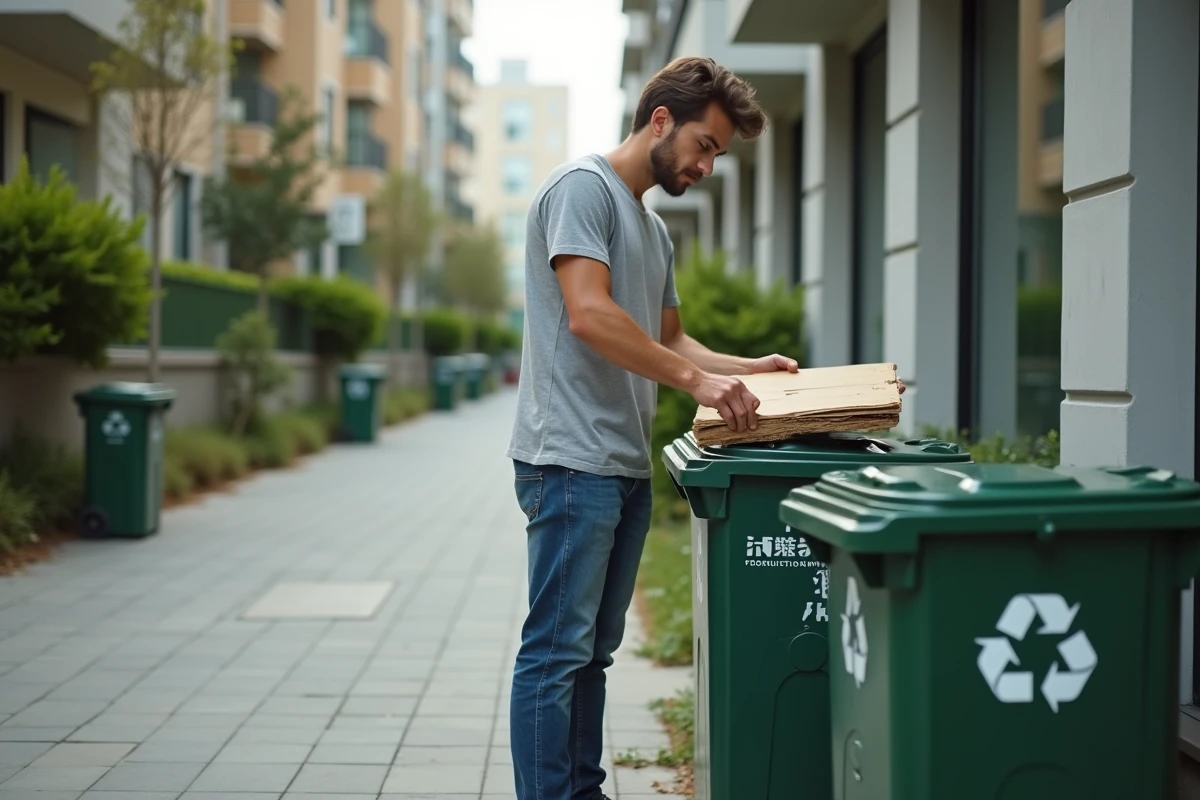
When the time comes to part with your plastic cutting board, don’t throw it away thoughtlessly. Check with your local recycling center: some waste disposal sites accept this type of plastic. This gesture limits environmental impact, even if recycling depends on local processing capabilities.
Extending the life of your board depends on the regularity of maintenance, not on a miracle. Alternatives exist, such as wood, bamboo, and stainless steel, but the plastic board retains its value if you ensure it is thoroughly cleaned and properly recycled.
The next time you pick up your board, remember: every knife strike tells an invisible story. Knowing when to say stop is cutting off bad habits decisively.