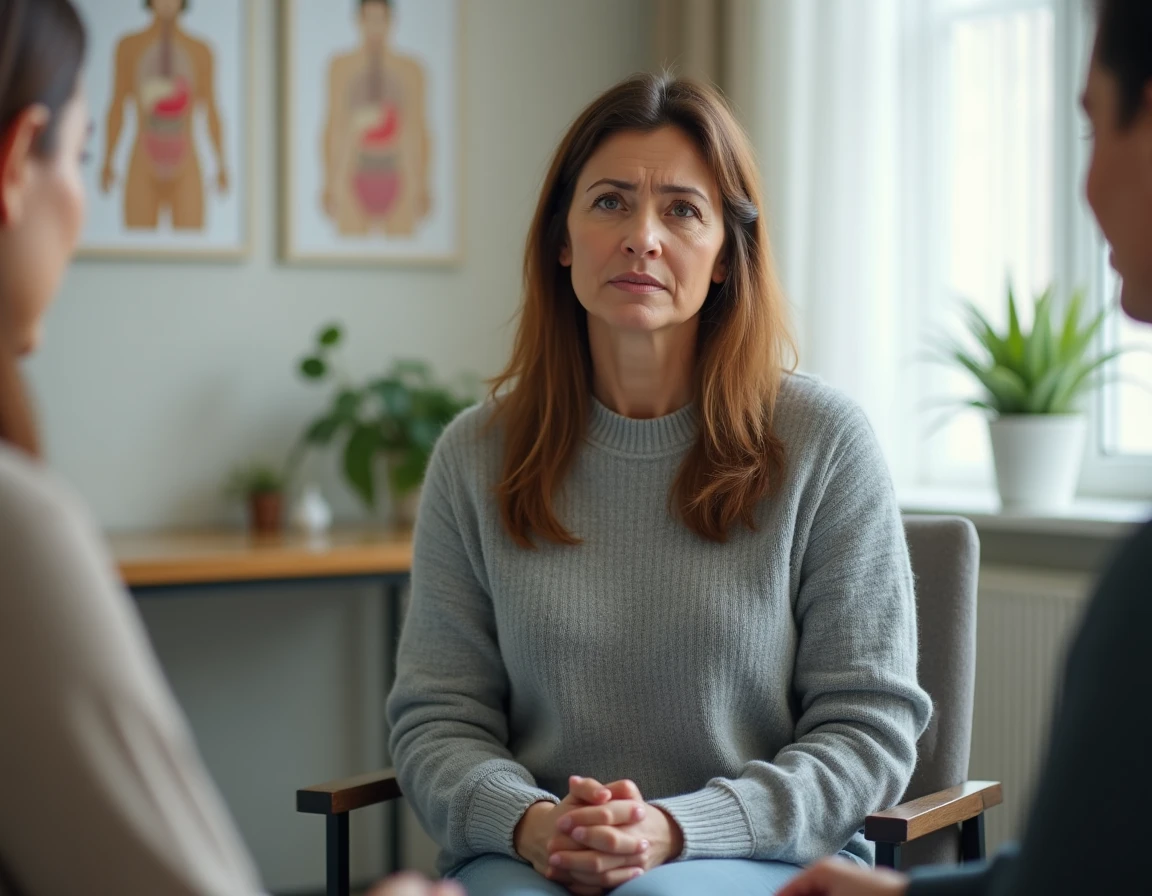
Somatopathy, a manual method derived from the work of Maurice-Raymond Poyet, claims a holistic approach to the body by linking physical disorders and emotional imbalances. It attracts a diverse audience, from adults suffering from chronic pain to parents of infants. The problem: no major biomedical database lists any clinical trials or systematic reviews on this practice. This scientific and regulatory gap raises concrete questions about patient safety.
Somatopathy and Scientific Bases: What the Data Says (or Doesn’t Say)
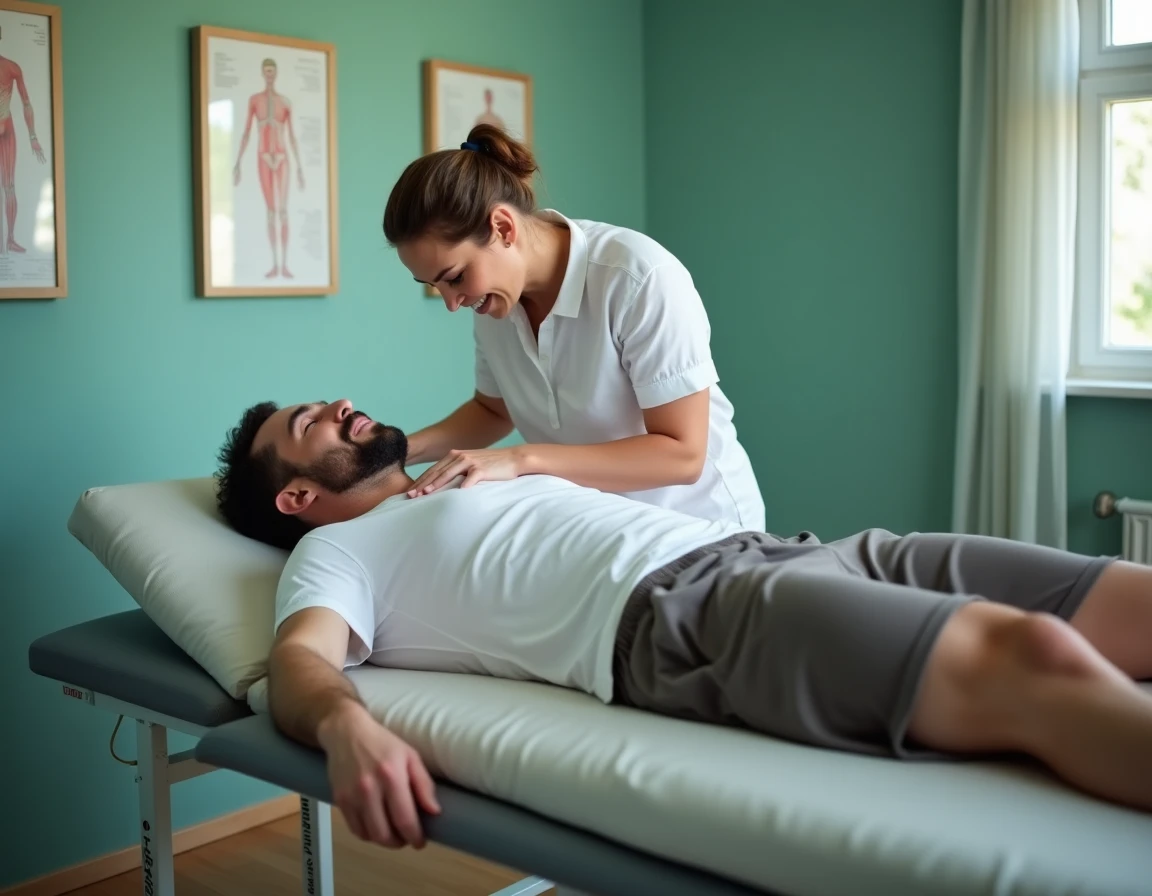
Proponents of somatopathy describe a method based on light touch, intended to restore the “primary respiratory movement” and release bodily memories. These concepts, borrowed from cranial osteopathy and energy frameworks, have never been subjected to structured clinical evaluation according to evidence-based medicine standards.
No major biomedical database lists any work on somatopathy. This absence does not prove that the method is inherently dangerous. It means that no protocol has measured its effects, positive or negative, under controlled conditions.
This gap prevents distinguishing any potential therapeutic benefit from a mere placebo effect. It also hinders identifying situations where the practice could worsen a health condition. For a patient suffering from persistent pain, a thorough analysis of the dangers associated with somatopathy helps clarify the stakes before making an appointment.
Diagnostic Delay: The Most Documented Health Risk
The most tangible danger of unvalidated practices lies not in what they do, but in what they delay. When a patient reports chest pain, unexplained fatigue, or neurological issues to a practitioner who lacks the medical training or diagnostic tools to assess these symptoms, the window for care narrows.
A diagnostic delay can turn a treatable condition into an irreversible situation. This scenario is not theoretical: it fuels reports received by Miviludes, which mentions somatopathy within the broader context of deviations related to unconventional care practices.
Infants and Somatopathy: A Concerning Gray Area
Some practitioners explicitly offer somatopathy sessions for infants, citing sleep disorders, colic, or cranial asymmetries. Neither pediatric scientific societies nor health authorities validate this practice for this age group.
Recommendations are clear on one point: unvalidated manual therapies in infants carry a risk of delayed management of neonatal or orthopedic conditions. Congenital torticollis, hip dysplasia, or pathological reflux require a medical diagnosis, not an energy approach.
Regulatory Framework of Somatopathy in France: What is Missing
Somatopathy lacks any specific regulatory framework in France. Unlike osteopathy, which has had a protected title since 2002 and a decree regulating training, somatopathy remains a free practice. Practically, this means several things:
- No state diploma or official accreditation is required to practice as a somatopath. Training is provided by private schools without institutional oversight on their content or duration.
- The patient has no disciplinary recourse comparable to that offered by a professional order (doctors, physiotherapists, osteopaths).
- No legal obligation for results or means applies outside the common law of civil liability.
This ambiguity does not make the practice illegal, but it deprives the patient of guarantees. A serious and well-trained somatopath can coexist with a practitioner whose skills are insufficient, without any institutional filter distinguishing them.
Influence and Sectarian Deviations: Warning Signs to Watch For
The Miviludes report mentions unconventional care practices among the fertile grounds for sectarian deviations. Somatopathy, due to its emotional dimension and poorly regulated framework, is not exempt from this vigilance.
Some warning signs should alert:
- A practitioner who asks to discontinue ongoing medical treatment or not to consult a doctor.
- A multiplication of sessions presented as essential, without a clear therapeutic objective or reevaluation.
- A discourse that systematically opposes conventional medicine and “natural” approaches, disqualifying the former.
- High fees justified by a supposed personal gift or training presented as unique.
The trust relationship between practitioner and patient should never become a relationship of dependence. This criterion remains the most reliable for distinguishing a legitimate complementary practice from a deviation.
Somatopathy and Health: Evaluating the Benefit-Risk Ratio Without Reliable Data
The absence of evidence of effectiveness does not mean the absence of perceived effect. Many patients report relief after somatopathy sessions. The difficulty lies in the impossibility of separating this perceived effect from spontaneous improvement or a placebo effect, due to the lack of comparative studies.
No major biomedical database lists any study on somatopathy. Some health practitioners observe improvements in their patients who consult in parallel, while others note delays in care.
In the current state, caution recommends never substituting somatopathy for medical follow-up, verifying the practitioner’s qualifications, and maintaining a critical perspective on the promises made. A complementary method becomes dangerous as soon as it presents itself as an alternative.