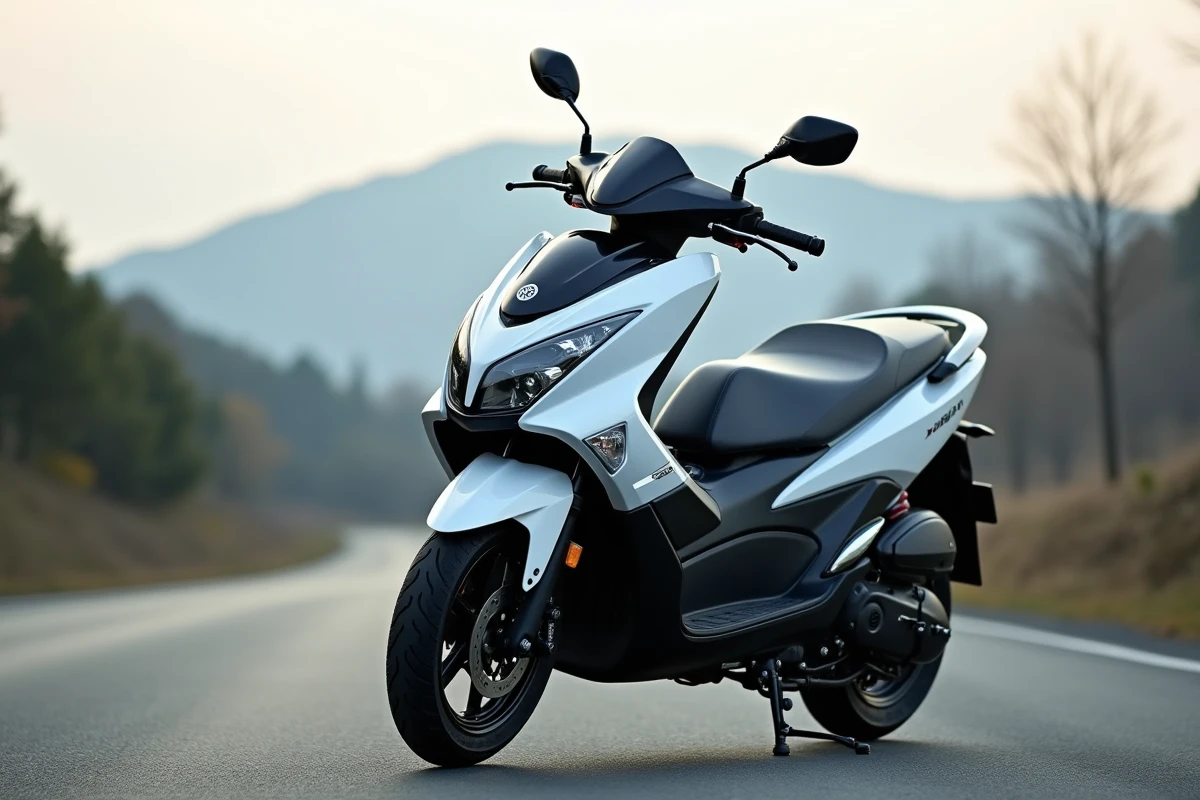
You have just picked up your Yamaha XMAX 125 from the dealer, the odometer reads zero kilometers, and one question is on your mind: when can you really get the most out of the engine? Before twisting the throttle wide open, it’s important to understand what happens under the hood during the initial rides, and what this scooter can actually achieve once it’s freed from the break-in period.
Actual speed of the XMAX 125: what the speedometer says and what the GPS says
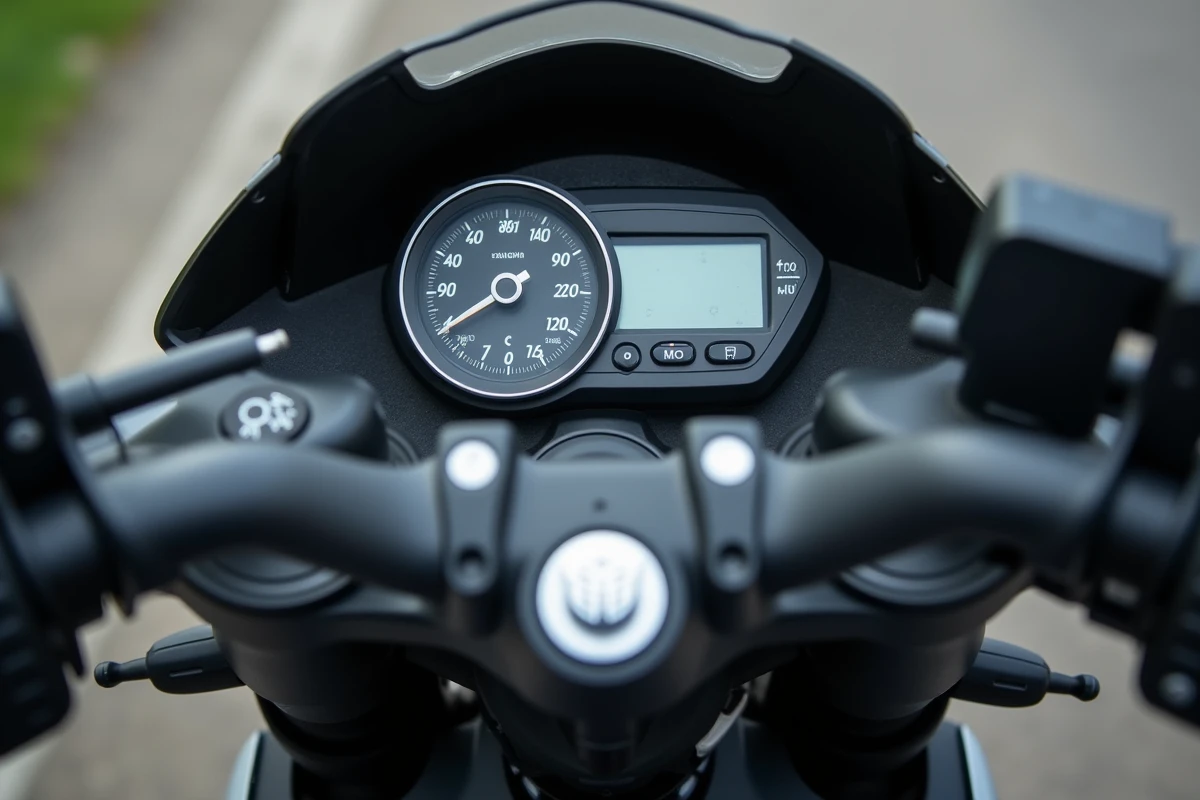
Most online discussions mention a range of 110 to 115 km/h on the speedometer. This figure frequently appears in user feedback and in test summaries, particularly in Frédéric Lefebvre’s review dedicated to the XMAX 125.
This value is not the result of artificial restriction. It comes from the available power of the single-cylinder engine and the gear ratio of the variator. In other words, the engine simply reaches its natural limit of thrust at this RPM.
Have you ever noticed a discrepancy between the speed displayed on the dashboard and that indicated by a GPS app? On the XMAX 125, as on the vast majority of two-wheelers, the speedometer slightly overestimates the speed. A reading of 115 km/h often corresponds to a GPS speed that is a few km/h lower. Keeping this discrepancy in mind helps avoid disappointments and allows for a better assessment of the maximum speed of the Yamaha XMAX 125 in real conditions.
XMAX 125 Standard or Tech Max: same engine, same top speed
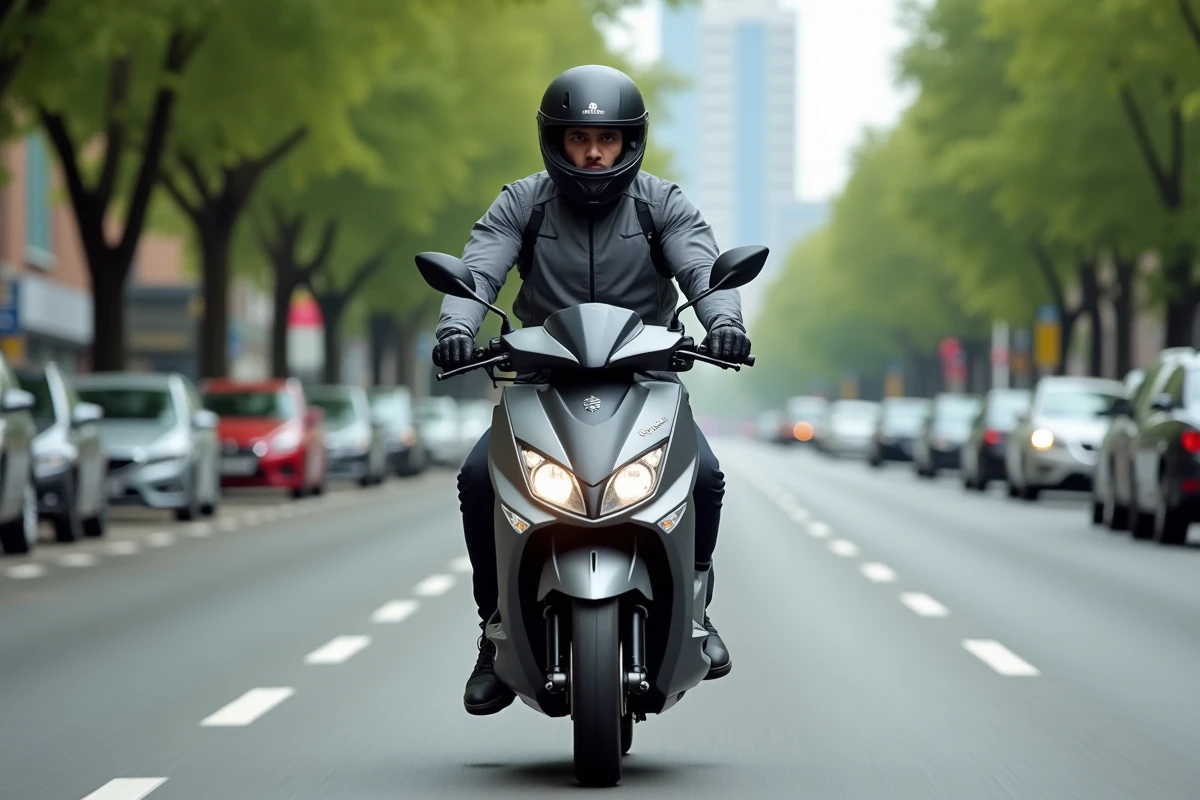
This is a point that many buyers overlook when choosing their version. The XMAX 125 comes in Standard and Tech Max trims, with significant price differences. One might assume that the high-end version has a slight mechanical advantage.
According to DéclicAuto (2025), both versions share exactly the same power, torque, and injection mapping. The electronic limitation is identical. Therefore, the theoretical top speed does not vary from one trim to another.
The difference between Standard and Tech Max lies in comfort features: connectivity, seat, finishes. The Blue Core 125 cm³ engine block certified Euro 5+ remains strictly the same. If your priority is pure performance, the choice of trim will have no impact.
Has the Euro 5+ standard hindered the XMAX 125?
The Euro 5+ standard has imposed additional constraints on emissions and consumption. Some owners of previous generations (Euro 4) feared a loss of liveliness.
According to road tests summarized by DéclicAuto, the top speed has not notably decreased compared to Euro 4 generations. The regulatory evolution has mainly affected the electronic management of exhaust gases, not the usable power curve at the top of the speedometer.
Break-in of the XMAX 125: concrete stages for the first kilometers
The break-in period is not a symbolic ritual. During the first rides, the metal surfaces of the engine (rings, cylinder, bearings) adjust to each other. A poorly executed break-in can lead to uneven wear and abnormal oil consumption in the long term.
For a 125 cm³, the break-in period generally covers the first thousand kilometers, according to usual manufacturer recommendations. It is divided into progressive stages.
- During the first hundred kilometers, maintain a moderate speed, well below half of the engine’s maximum capacity. Avoid any sudden acceleration or prolonged constant RPM.
- Between a few hundred kilometers and halfway through the break-in, you can gradually increase the RPM, without ever holding the throttle wide open for long periods.
- In the second half of the break-in, the engine can handle more significant demands, but keep some margin before approaching the maximum RPM.
- Once you have passed the thousand-kilometer mark and completed the first service (including the break-in oil change), you can fully exploit the engine.
What wears out a new engine faster than speeding
Consistently riding at the same RPM during the break-in is a common mistake. A constant RPM prevents the rings from evenly adapting across the entire surface of the cylinder. Vary your speeds: gentle accelerations, engine deceleration phases, changes of pace in the city as well as on the road.
The other pitfall concerns overheating. A new engine heats up faster than a broken-in engine. Repeated short trips (less than ten minutes) do not allow the engine to reach its ideal operating temperature. If possible, favor outings of at least twenty to thirty minutes.
First oil change and full power: the real starting signal
Many owners wonder when to open the throttle wide. The answer does not solely depend on the mileage displayed. It is the first oil change after the break-in that marks the actual end of the gentle period.
The break-in oil collects metal microparticles generated by the adjustment of the parts. Keeping it too long circulates these abrasive residues in the lubrication circuit. Adhering to the oil change schedule prescribed by Yamaha is the most protective gesture you can make for your XMAX 125.
After this oil change, the Blue Core engine runs with perfectly adjusted surfaces. It is at this precise moment that the 110 to 115 km/h on the speedometer becomes accessible without any reservations, and the variator can operate across its entire range without risk to the mechanics.
A well-conducted break-in is not felt on the first day. It is measured by stable oil consumption, a quiet engine, and consistent performance many tens of thousands of kilometers later. The XMAX 125 is a scooter designed to last, provided you give it this initial patience.