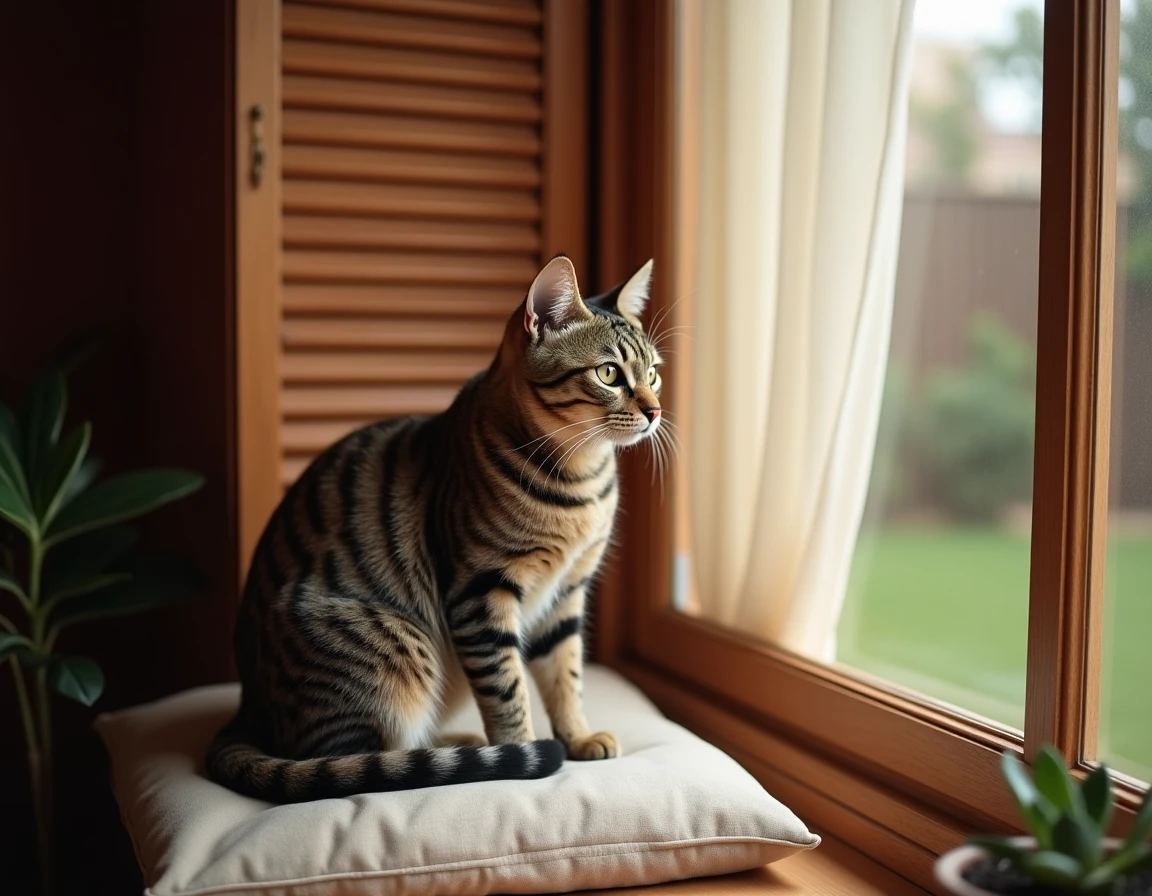
France is among the European countries where cats overwhelmingly dominate the ranking of pets. This popularity does not simplify the choices faced by owners: breed suitable for housing, health monitoring, transport constraints, and signs of discomfort that can sometimes be difficult to decode. The regulatory framework is also evolving, with identification and vaccination obligations now applying to all international travel.
Mobility constraints based on cat morphology
General articles on cat breeds detail character, coat length, or activity level. They often overlook a criterion that has become crucial for many households: the cat’s ability to travel.
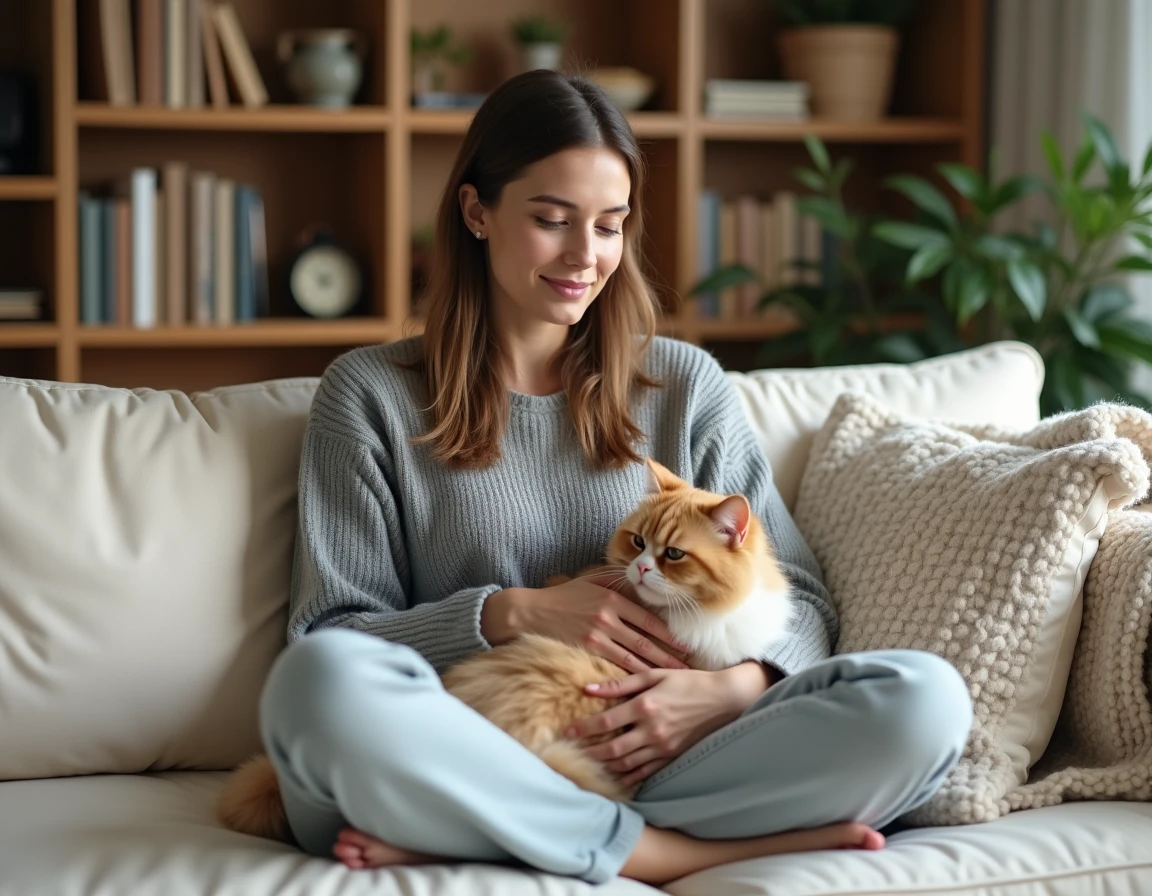
Brachycephalic breeds (Persian, Exotic Shorthair) have an anatomy of the respiratory tract that makes them more vulnerable to thermal and respiratory stress in both the hold and the cabin. Several airlines refuse these morphologies or impose seasonal restrictions. Large breeds like the Maine Coon, which can exceed 10 kg as an adult, face weight limits set by carriers for cabin travel.
For those who move regularly or travel several times a year, choosing a breed is not just a matter of temperament. A medium-sized cat, without brachycephalic characteristics, offers logistical flexibility that breed profiles rarely mention. The resources provided by the cats of La Maison des Animaux allow for a cross-reference of these practical criteria with the character traits specific to each breed.
Identification and European passport: what the regulations require

Any cat traveling by plane within the European Union or to a third country must be identified by microchip and have a European passport with up-to-date rabies vaccination. This requirement applies even to a simple pet cat, not just to breeding animals or cats intended for sale.
Other vaccinations (feline panleukopenia, calicivirus, leukemia) are still strongly recommended by veterinarians, although they are not a legal requirement for flying. However, some airlines or destination countries add their own health requirements, complicating travel preparation.
The distinction between regulatory obligation and veterinary recommendation is not always clear in consumer guides. An owner planning international travel would do well to check the specific conditions of their airline and the destination country, in addition to the general European framework.
Assessing your cat’s well-being on a daily basis
In recent years, veterinary media such as Le Mag du Chat d’Ouest-France have offered self-assessment grids for feline well-being. The idea is not to replace a consultation but to spot warning signs before they become symptoms.
These behavioral tests rely on the observation of several concrete indicators:
- Appetite and regularity of food intake, with a sudden change potentially signaling a digestive issue or stress
- Body language at rest and during interaction (ear position, tail, overall posture)
- The frequency and context of purring, which does not always indicate a state of relaxation
- Litter box usage, where changes (frequency, location, consistency) often constitute the first visible indicator of a health problem
- Grooming: a cat that excessively licks itself or, conversely, stops grooming, expresses an imbalance
The value of these grids lies in their regularity. A one-time assessment does not reveal much. Weekly monitoring allows for the identification of trends, a gradual deterioration that daily life can easily mask.
Purring and grooming: two signals often misinterpreted
Purring is commonly associated with contentment. Field reports diverge on this point: a cat may purr in situations of pain or anxiety, as a self-soothing mechanism. Observing it in isolation, without cross-referencing with other indicators, leads to misinterpretation.
Excessive grooming (localized alopecia on the belly or legs) is sometimes attributed to an allergy when it actually reflects environmental stress related to a change in territory or routine. The available data do not always allow for a clear distinction between dermatological and behavioral causes without veterinary examination.
Feeding and care according to the cat’s age
A growing kitten, a neutered adult cat, and a senior cat do not have the same nutritional needs. This fact is often reduced to a purchasing advice (“choose age-appropriate kibble”), without specifying what actually changes.
For kittens, caloric density and animal protein content must support rapid growth, especially during the first six months. A neutered adult cat requires fewer calories but a maintained protein intake to preserve muscle mass. The risk of post-neutering overweight is documented, and poorly managed dietary transitions are one of the common causes.
For senior cats, kidney function becomes a parameter to monitor. Low-phosphorus diets are prescribed in this context, based on veterinary recommendation and not as a default.
- Kitten (0-12 months): high-protein diet, divided into several daily meals
- Neutered adult: adjusted portion to limit weight gain, monitored hydration (wet food as a possible supplement)
- Senior: regular kidney assessment, adaptation of diet composition if necessary, maintaining appetite as an indicator of well-being
The question of diet ties into overall well-being. A cat that refuses to eat or alters its eating habits without apparent reason sends a signal that deserves attention, not in three weeks, but in the days that follow.
The choice of a cat, whether regarding breed, diet, or health monitoring, is based on concrete trade-offs related to the household’s lifestyle. Breed profiles alone are insufficient to cover the logistical, regulatory, and behavioral constraints that weigh on a owner’s daily life. Cross-referencing these dimensions remains the best way to provide a cat with a truly suitable environment.