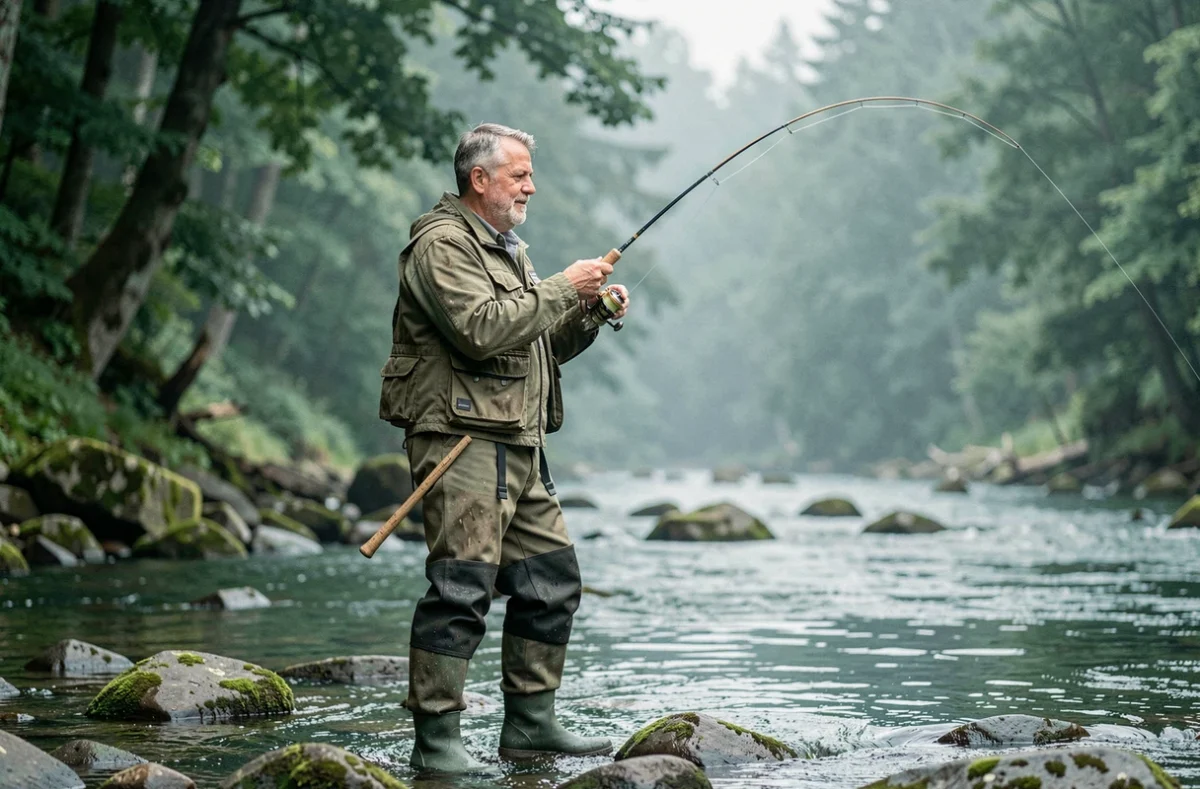
What indicators allow us to measure the ongoing changes in the fishing world in France and Europe? Between the rejuvenation of the public, the technological upgrade of equipment, and the regulatory constraints related to biodiversity, several recent data points paint a landscape quite different from that of ten years ago.
Recreational fishermen in France: demographic profile and evolution of permits
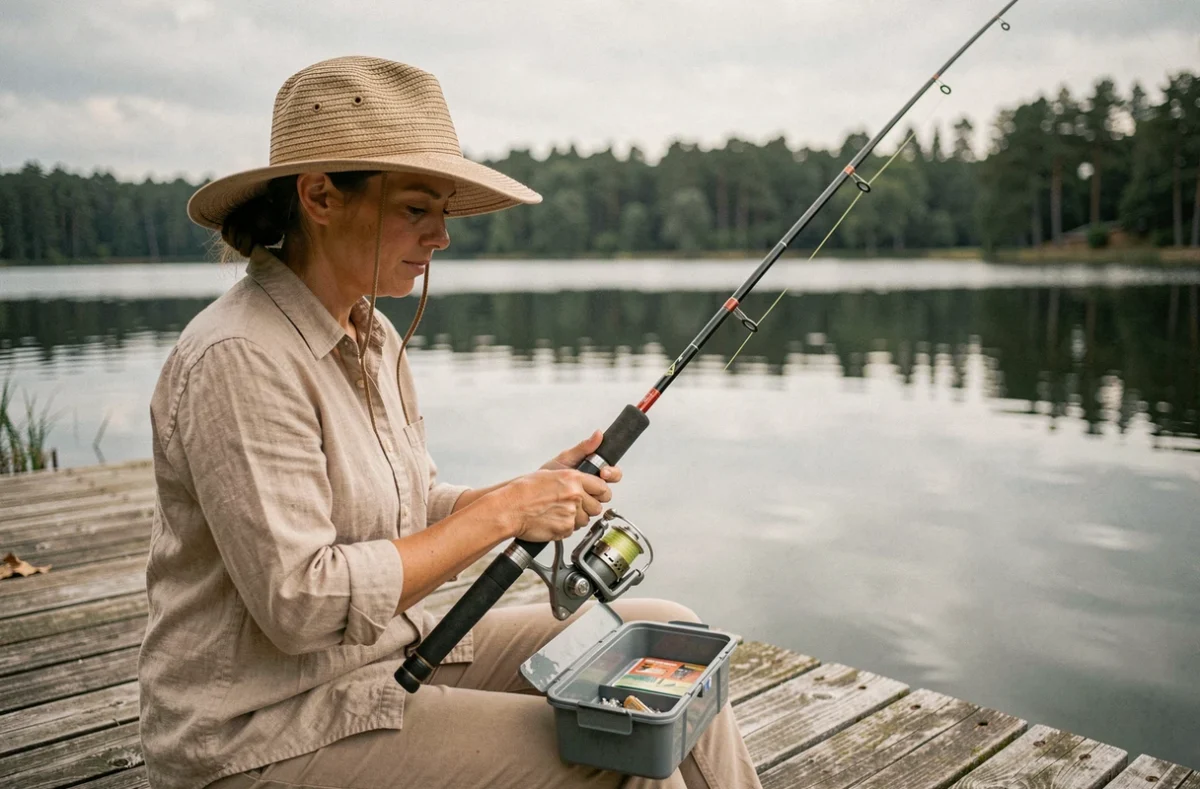
A significant highlight in recent years concerns the generational renewal of practitioners. Sales of fishing permits for minors surged by 28% between 2019 and 2025, according to a survey published by Ça m’intéresse in September 2026.
Several factors explain this dynamic. Social networks, particularly specialized video channels, expose fishing sessions with lures or in float tubes to an audience that had no familial ties to this practice. The so-called “fun” equipment (colorful lures, accessible float tubes, lightweight rods) lowers the entry barrier.
This rejuvenation also modifies demand in terms of formats: short sessions, urban or suburban spots, shore fishing rather than boat fishing. Departmental federations are gradually adapting their offerings, with daily or weekly permits targeting this profile of occasional fishermen. To track these developments over the weeks, news on My Fish Book compiles announcements, competition results, and field feedback on a national scale.
Fishing equipment market: growth in sustainable technologies and equipment
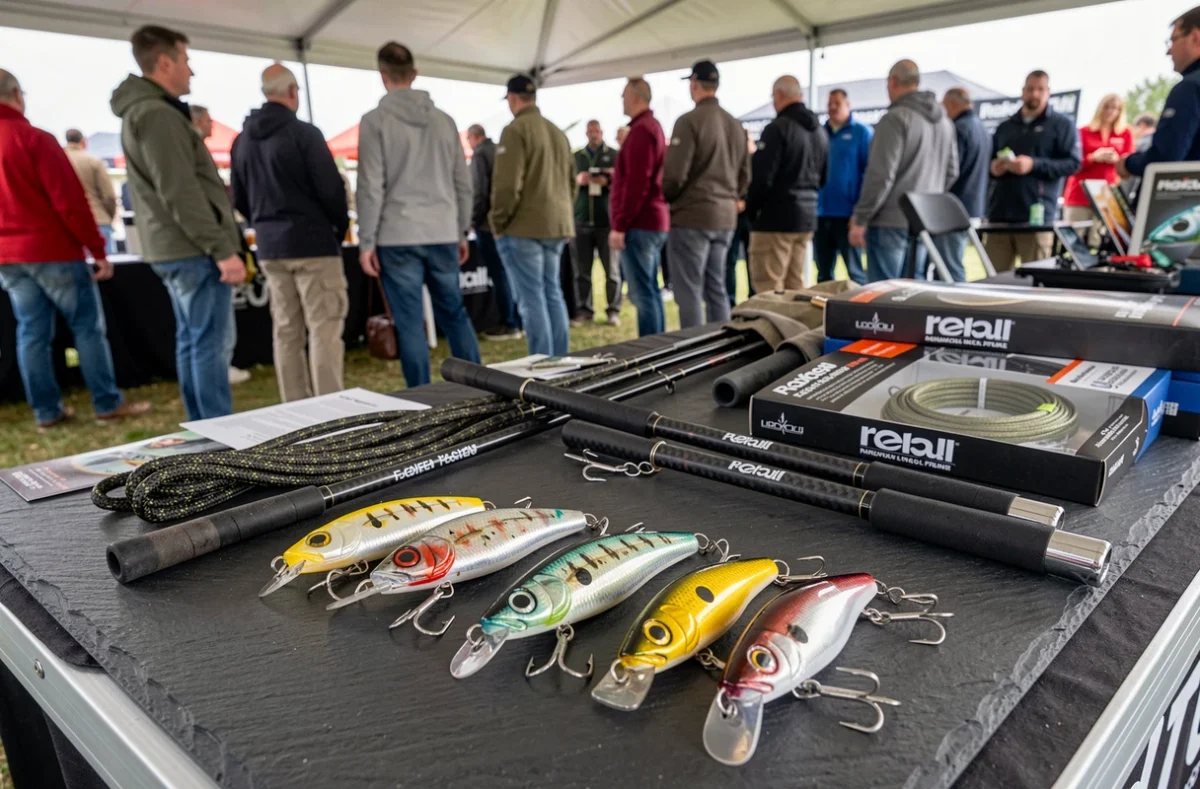
The European fishing equipment market shows growth driven by two distinct segments. The table below summarizes the trends identified by several market studies from 2025 to 2026.
| Segment | Trend | Main driver |
|---|---|---|
| Electronics (sonar, GPS, connected apps) | Double-digit annual growth in certain sub-segments | Democratization of portable sonars, smartphone integration |
| Lures and accessories | Regular increase, driven by young practitioners | Variety of colors, realistic imitations, demonstration videos |
| Eco-friendly materials (biodegradable lures, lightweight composites) | Growing demand, still limited supply | Environmental sensitivity, regulations on plastics |
| High-end rods (carbon fiber) | Expanding premium segment | Search for lightness and increased sensitivity |
The rise of sonars and connected applications is transforming the practice. A fisherman equipped with a portable sonar costing a few hundred euros now has access to bottom mapping and fish detection that used to require professional equipment five years ago.
Meanwhile, the segment of biodegradable lures and rods made from recycled composites remains marginal in volume, but several European brands have launched dedicated ranges between 2025 and 2026. The demand exists, driven by fishermen concerned about limiting the impact of plastics lost in the water.
European regulation and biodiversity: what is changing for fishermen
Regulatory measures taken at the European level directly impact practices, both at sea and in freshwater. The most visible example remains the temporary fishing ban in the Bay of Biscay, decided to protect dolphins from accidental catches.
This type of seasonal closure, limited to a few weeks, has measurable consequences:
- Professional fishermen suffer a concentrated loss of earnings over a short period, without systematic compensation commensurate with the losses
- Recreational boat fishermen see their fishing areas restricted, which shifts the pressure to other coastal sectors
- The data on accidental catches collected during and after these closures inform future decisions by the European Commission
The tension between species protection and maintaining fishing activity now structures the regulatory calendar. Public consultations are multiplying, and professional and recreational federations participate in the negotiations, often with divergent positions.
Species under surveillance and quotas in freshwater
In freshwater, species management relies less on strict quotas and more on open seasons and minimum catch sizes. Several departmental federations have raised the legal sizes for pike or zander in recent years, based on local population monitoring.
The practice of catch and release, long a minority, is significantly progressing among predator fishermen. It is not mandated by law in most cases, but is encouraged by associations and widely adopted by younger practitioners.
Sustainable consumption trends and the fish sector in Europe
The consumption aspect completes the picture. Surveys conducted in 2026, notably the consumer survey published by the ASC (Aquaculture Stewardship Council), confirm that sustainability weighs more heavily in fish purchasing choices than three years ago. Sustainable fishing and responsible aquaculture labels are gaining visibility on the shelves, even though price remains the primary decision criterion for the majority of European consumers.
In France, the volumes of fresh fish consumed have resumed an upward trajectory after several years of decline. The sector is focusing on traceability and communication around fishing practices to regain the trust of buyers who are increasingly attentive to the origin of products.
The link between recreational fishing and responsible consumption is also strengthening through an unexpected channel: young anglers practicing catch and release still buy labeled fish, according to feedback from several fishing associations. Awareness of the aquatic environment, gained at the water’s edge, extends into food choices.
The fishing world in France and Europe is undergoing a phase of accelerated transition. The rejuvenation of the public, the digitization of equipment, and the tightening of regulations are reshaping both practices on the ground and the economic balances of the sector. The coming months, with elections in the AAPPMA and European negotiations on quotas, will set the pace for the upcoming season.